|
Purina Prescription Foods
|
Is Your Pet On Purina Prescription Foods?
If you are quarantined or self-isolating or just want the convenience of your pet's prescription foods sent directly to your door, Boyd's Creek Animal Hospital and Purina® have teamed up to offer you door-to-door service.
» Click here to connect to Purina Proplan®
|
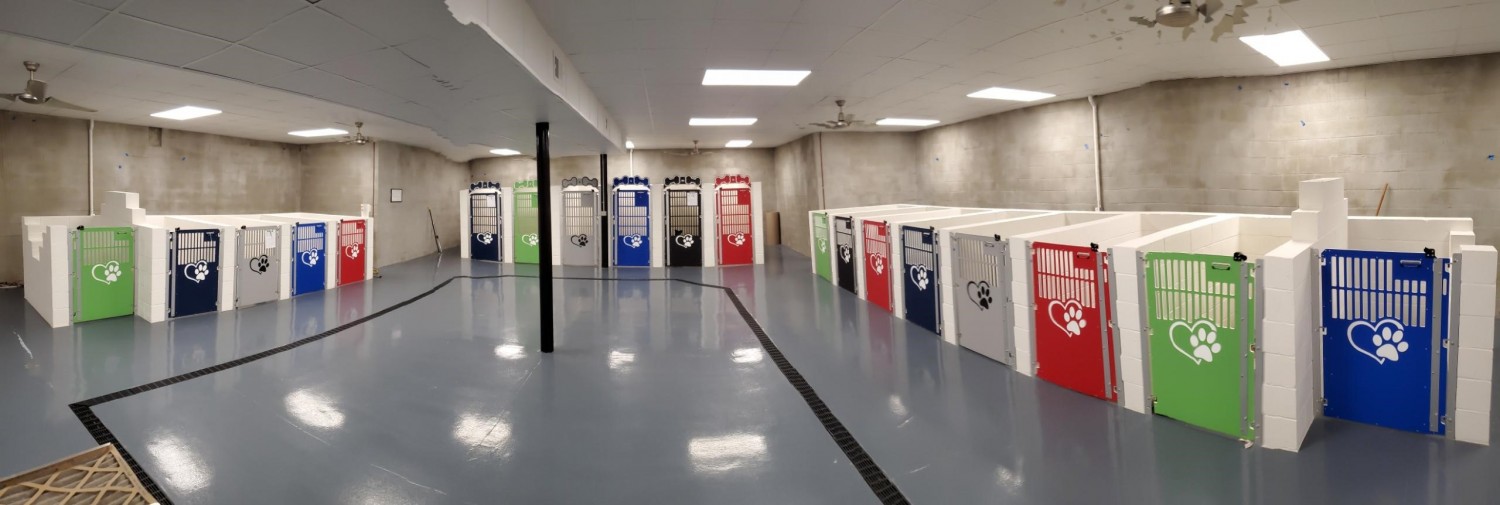
Our Specialized Dog Boarding Area
- Runs are sized small, medium, large and XL
- Our guests will have privacy, space and views around the room
- Temperature-controlled indoor play area to beat those bad weather days
- Knowledgeable and caring staff to snuggle your fur-baby
Our promise to you...we will keep your beloved pets warm, protected and happy in our state of the art runs while away from home. Stay tuned for even more news about the boarding area coming in the near future.
|
|
While You're Here, Check out...
|
» Services - See what we have to offer you and your pet
» Forms - Download forms to complete before your visit
» Rapid Rx Refill - Reorder your pet's medication online
» Our Mission - What we believe, and why we are here
» Pet Library - over 2,500 handouts on pet health topics

|
|
Call us today to book your Spa and/or Boarding for your cat or dog!
Your pet will be treated to natural shampoos and rinses, luxurious facials and a pawdicure.
In February, mention "LOVE" for 10% off Grooming and Boarding
|


 Processing ....





